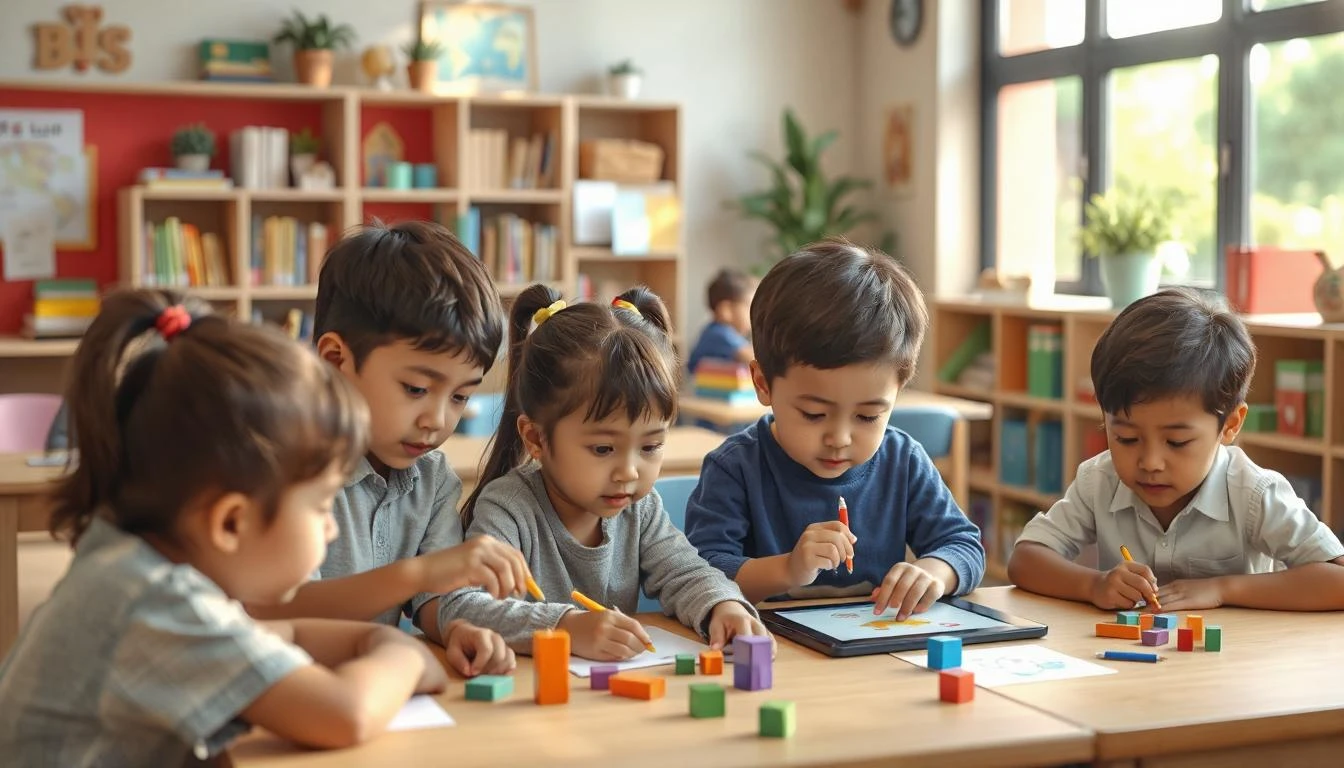
Modern Learning Activities for Kids
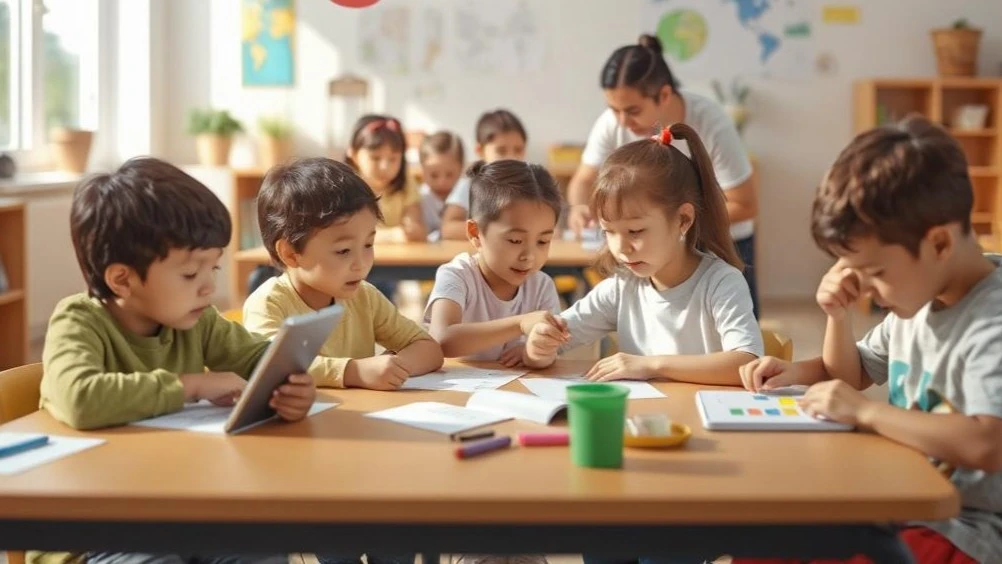
Today's children are growing up in a world shaped by rapid technological innovation, evolving educational methods, and new opportunities for creativity. As parents and educators look for effective ways to nurture young minds, the focus has shifted from rote memorization to meaningful experiences that encourage curiosity, critical thinking, and lifelong learning. The question is no longer whether children should learn differently, but how to help them thrive in a future that continues to change at an unprecedented pace.
Finding the right kids learning activities can make a remarkable difference in a child's development. When learning becomes engaging, interactive, and relevant to everyday life, children are more likely to build confidence, strengthen problem-solving abilities, and develop the skills needed to succeed both inside and outside the classroom.
Creative Learning Activities for Modern Kids
The most memorable learning experiences often begin with curiosity. Children naturally want to explore, ask questions, and discover how things work. By introducing creative learning opportunities, parents can transform everyday moments into valuable educational experiences that feel less like lessons and more like exciting adventures.
Many parents searching for Modern Learning Activities for Kids ideas are looking for practical ways to combine fun with education. The good news is that creativity can be integrated into almost any activity, helping children develop cognitive flexibility, innovation, and independent thinking while remaining fully engaged.
Hands-on STEM Experiments at Home
STEM activities continue to be among the most effective educational approaches for modern learners. Simple experiments such as building a homemade bridge, creating a baking soda volcano, or designing a balloon-powered vehicle allow children to explore scientific principles through direct experience rather than passive observation.
These activities naturally develop critical thinking and analytical skills. Children learn how to test ideas, evaluate results, and adapt their approach when something does not work as expected. This process teaches resilience and problem-solving in a way that traditional worksheets rarely achieve.
Educational researcher Carol Dweck has often emphasized that children develop stronger learning habits when they view challenges as opportunities to grow rather than obstacles to avoid. Hands-on STEM projects provide exactly that kind of learning environment.
Gamified Learning Activities
Learning becomes significantly more engaging when children feel motivated by achievement and progress. Gamified learning introduces challenges, rewards, levels, and goals that encourage participation while maintaining educational value.
Whether practicing mathematics through interactive quizzes, learning coding through game-based platforms, or improving vocabulary through digital challenges, children often become more invested in the process because they enjoy the experience itself. This increased engagement can lead to stronger retention and greater enthusiasm for learning.
Gamification also creates a safe space for experimentation. Children become more willing to take risks, make mistakes, and try again because the focus shifts toward improvement rather than perfection.
Arts and Creativity Based Learning
Creative activities provide children with opportunities to express ideas, emotions, and imagination in unique ways. Drawing, painting, storytelling, music creation, and crafting projects encourage self-expression while supporting cognitive development.
Arts-based learning strengthens creativity, communication, and emotional intelligence. It also helps children connect concepts across different subjects, encouraging innovative thinking and broader perspectives. In a world that increasingly values originality and adaptability, creative skills are becoming more important than ever.
Digital Learning Activities for Kids
Technology has become an essential part of modern education, but its true value lies in how it is used. Digital tools can provide personalized learning experiences that adapt to individual needs, allowing children to learn at their own pace while exploring subjects that interest them most.
When thoughtfully selected and balanced with other learning methods, digital resources can expand educational opportunities far beyond traditional classroom boundaries.
Educational Apps and Platforms
Educational applications have evolved considerably in recent years. Today's platforms offer adaptive learning systems, interactive exercises, and personalized pathways that respond to a child's progress and learning style.
Many apps focus on subjects such as mathematics, science, language learning, coding, and reading comprehension. These resources provide immediate feedback, helping children understand concepts more effectively while maintaining motivation through interactive experiences.
The best educational platforms encourage active participation rather than passive screen time, ensuring that technology serves as a tool for learning rather than simply entertainment.
Interactive Video Based Lessons
Interactive video lessons combine visual storytelling with active engagement. Instead of simply watching content, children are encouraged to answer questions, solve problems, and participate in activities throughout the learning experience.
This format supports different learning styles and can make complex subjects easier to understand. Science experiments, historical events, and geographical concepts often become more accessible when presented through engaging visual demonstrations.
Children also benefit from the flexibility of revisiting lessons whenever they need additional clarification or reinforcement.
Online Collaboration Activities
Collaboration is one of the most valuable skills children can develop in today's interconnected world. Online learning environments now provide opportunities for students to work together on projects, share ideas, and solve problems collectively.
Virtual book clubs, collaborative presentations, and team-based learning challenges help children practice communication, leadership, and cooperation. These experiences mirror many real-world situations they will encounter later in education and professional environments.
Physical and Social Development Activities
While technology offers tremendous educational benefits, children still need opportunities to move, interact, and engage with the world around them. Physical and social development remains a critical component of balanced growth.
Activities that combine movement, communication, and teamwork help children build confidence while developing essential life skills that extend beyond academic achievement.
Outdoor Learning Games
Outdoor learning introduces children to a dynamic environment where exploration happens naturally. Nature walks, scavenger hunts, observation challenges, and environmental discovery activities encourage children to connect learning with real-world experiences.
These experiences improve observation skills, physical fitness, and environmental awareness while providing a healthy break from screen-based activities. Children often remember lessons more vividly when they experience concepts firsthand.
Group Teamwork Exercises
Team-based activities teach children how to cooperate effectively, resolve disagreements, and contribute toward shared goals. Whether building structures together, completing problem-solving challenges, or participating in group projects, teamwork develops valuable interpersonal skills.
These experiences help children understand accountability, empathy, and collaboration while strengthening their ability to work productively with others.
Communication Skill Building Tasks
Strong communication skills influence nearly every aspect of a child's future success. Activities such as storytelling, presentations, role-playing scenarios, and structured discussions help children become more confident communicators.
As children practice expressing their thoughts clearly and listening actively to others, they develop stronger relationships and greater self-confidence. Effective communication also supports leadership development and emotional intelligence.
Education expert Sir Ken Robinson frequently highlighted that children thrive when learning environments encourage self-expression and meaningful dialogue. Communication-focused activities help create exactly that type of environment.
Start Applying Modern Learning Activities to Boost Your Child Growth Today
Every child possesses unique strengths, interests, and potential waiting to be discovered. The most effective learning experiences are those that inspire curiosity, encourage exploration, and create opportunities for meaningful growth. By combining creativity, technology, physical activity, and social interaction, parents can build a learning environment that supports both academic achievement and personal development.
The future will reward adaptability, creativity, collaboration, and continuous learning. The activities explored throughout this article are not simply educational trends; they are practical tools that help prepare children for an increasingly complex world. If there is one takeaway worth remembering, it is that small, consistent learning experiences often create the biggest long-term impact. Start introducing these modern learning activities today and watch curiosity turn into confidence.