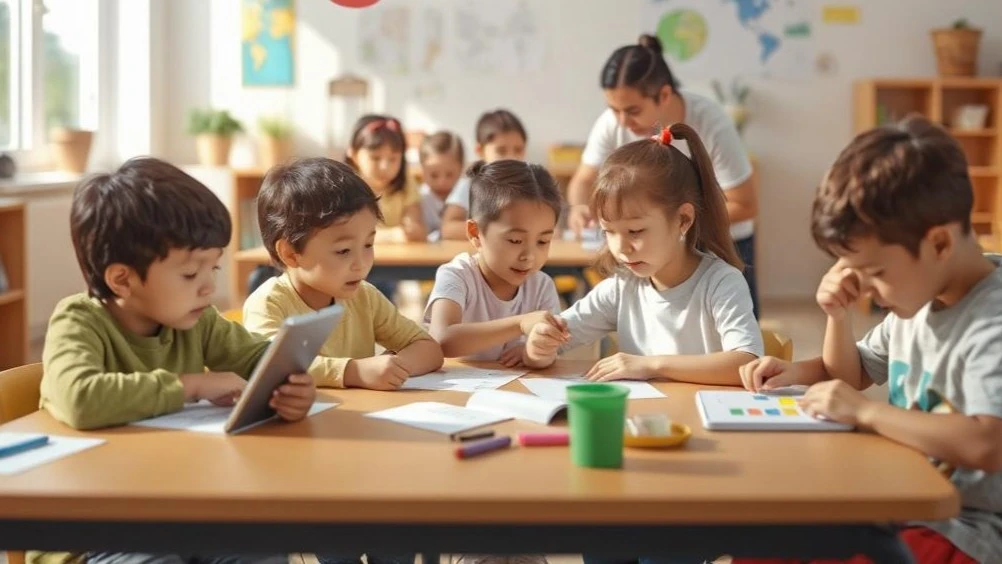
Early Childhood Education Trends 2026
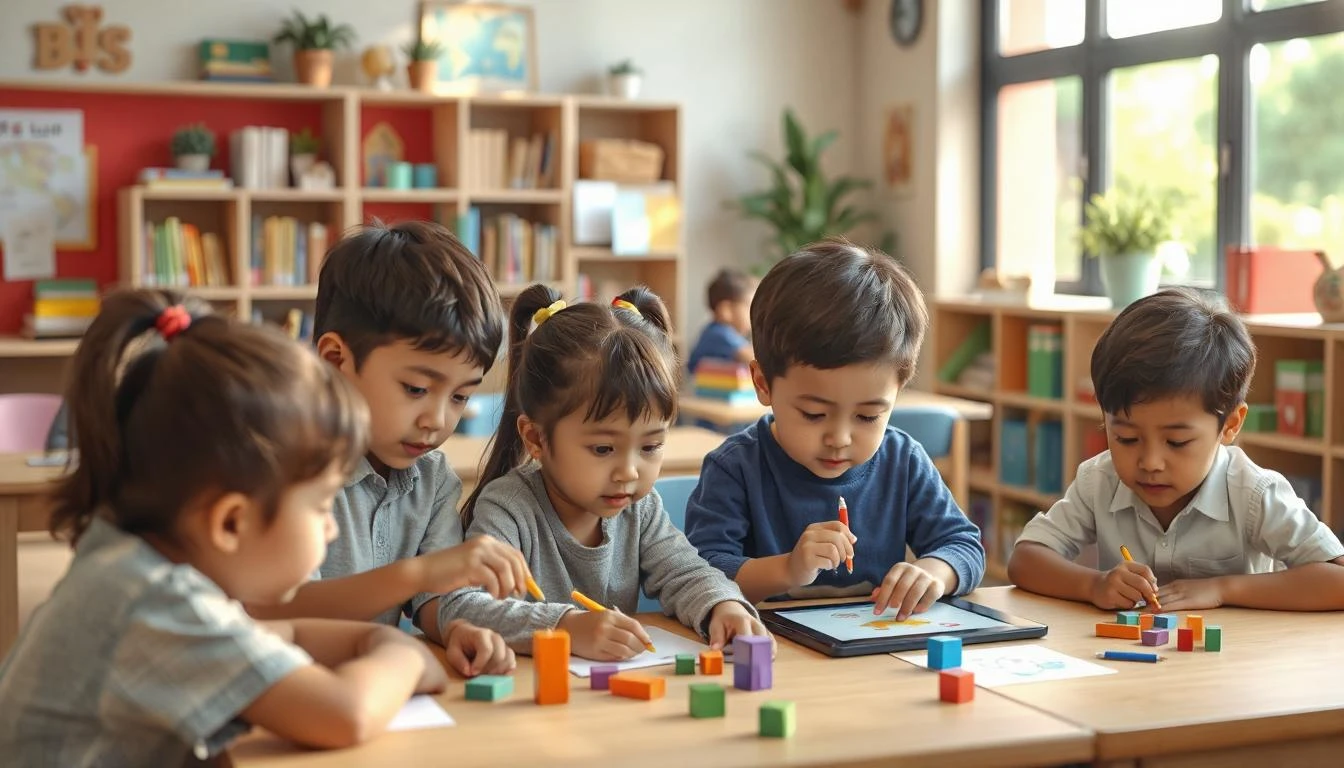
The global education landscape is shifting faster than most people can process. Classrooms are no longer just rooms with desks and chalkboards, they are becoming living ecosystems where curiosity, technology, and human development intersect in unexpected ways.
This transformation is deeply connected to early learning trends, which are reshaping how children absorb knowledge, interact with digital tools, and develop foundational cognitive skills. What used to be traditional preschool education is now evolving into a dynamic, hybrid experience influenced by psychology, AI systems, and global digital innovation.
Future Direction of Early Childhood Education
The future of learning is no longer a distant concept, it is already unfolding in classrooms, apps, and homes worldwide. The rise of Early Childhood Education Trends 2026 update signals a shift toward adaptive systems that respond to each child’s emotional, cognitive, and behavioral patterns in real time. It feels almost like education is learning how to “think” alongside children.
At the same time, educators are re-evaluating what meaningful learning actually means in early development stages. Digital transformation is no longer optional; it is becoming a structural foundation for how learning experiences are designed and delivered across cultures and economies.
Another layer of change is emerging through digital pedagogy and adaptive learning systems, which allow education to move beyond one-size-fits-all models. These systems quietly observe, adjust, and refine learning paths based on performance and engagement signals.
AI assisted learning for early development
Artificial Intelligence is becoming a subtle co-teacher in early education environments. It supports teachers by analyzing learning behavior, identifying gaps, and suggesting interventions. As educator Dr. Angela Reeves once stated, “AI does not replace the teacher; it amplifies the teacher’s ability to understand the child.” This aligns with global interest in how AI is changing early childhood education in 2026.
Personalized learning paths for children
Personalization is redefining the learning experience entirely. Instead of fixed curriculums, children now follow adaptive pathways shaped by their progress and interests. These adaptive learning systems enhance memory retention, emotional engagement, and foundational literacy development.
Play based digital integration
Play is still the heart of childhood learning, but now it is digitally enhanced. Gamified platforms and interactive simulations introduce preschool curriculum innovation that blends storytelling with cognitive skill-building. According to child psychologist Dr. Marcus Ellington, “Play is not a break from learning, it is the most natural form of learning itself.”
Modern Teaching Methods in Early Education
Modern education is shifting toward a more fluid, interactive, and emotionally aware structure. The influence of early learning trends is visible in how teachers now design experiences instead of just delivering content. Learning is becoming participatory, not passive.
The introduction of Early Childhood Education Trends 2026 update has pushed institutions to rethink classroom dynamics entirely. Instead of rigid instruction, learning now flows through exploration, collaboration, and guided discovery.
This evolution also connects strongly with interactive learning environments and child development psychology, which emphasize emotional safety and curiosity-driven engagement as core learning drivers.
Blended learning approaches
Blended learning merges physical classroom interaction with digital experiences. This hybrid approach allows children to transition naturally between tactile learning and digital exploration, reinforcing both creativity and comprehension.
Interactive classroom tools
Smartboards, AR-based learning kits, and sensory-rich applications are reshaping how teachers engage students. These tools strengthen attention span and encourage active participation, making learning more immersive and meaningful.
Emotional and social learning focus
Emotional intelligence is now a central pillar of early education. Children are taught empathy, collaboration, and communication as foundational skills. This reflects a growing recognition that emotional development is as important as academic achievement.
Technology Impact on Early Childhood Learning
Technology is no longer a supporting tool, it is a core driver of educational evolution. The influence of early learning trends is especially visible in the integration of AI, immersive environments, and mobile-first learning systems.
With Early Childhood Education Trends 2026 update, schools and parents are increasingly relying on intelligent platforms that personalize and enhance the learning journey.
This transformation is closely tied to cognitive development in early years, where technology is used to stimulate memory, attention, and problem-solving abilities in structured yet playful ways.
Smart learning apps for kids
Educational apps are becoming more sophisticated, offering real-time feedback, storytelling-based learning, and interactive challenges that support literacy and numeracy development.
AR and VR educational experiences
Augmented and virtual reality are introducing immersive learning environments where children can explore abstract concepts visually and experientially. This strengthens comprehension and long-term memory retention.
Safe screen time strategies
Despite technological benefits, balance remains essential. Structured screen time models ensure that children engage with digital tools in healthy, developmentally appropriate ways while maintaining offline interaction.
Explore the Latest Early Childhood Education Trends for Better Learning Outcomes
The direction of early education is becoming clearer: integration is the future. Learning systems are merging psychology, technology, and pedagogy into a unified experience designed for holistic child development. The evolution of early learning trends is no longer theoretical, it is practical, measurable, and globally implemented.
The continued rise of Early Childhood Education Trends 2026 update reflects how education systems are adapting to digital-native generations. Long-tail search interests like “best personalized learning strategies for preschool children” and “safe screen time guidelines for toddlers in digital classrooms” show how deeply parents and educators are seeking actionable solutions.
As education researcher Dr. Helena Morgan explains, “The future of learning is not about more content, it is about better alignment between how children learn and how knowledge is delivered.” This insight highlights the importance of gamified learning, adaptive learning systems, and emotionally intelligent teaching methods.
At the same time, child development psychology continues to play a crucial role in shaping curriculum design, ensuring that technological integration does not overshadow emotional and social growth.
The real shift is not just in tools, but in mindset, education is becoming a responsive ecosystem rather than a fixed structure.
You are now part of a generation witnessing the reinvention of early education in real time. And the decisions made today will quietly shape how the next generation thinks, learns, and grows.